
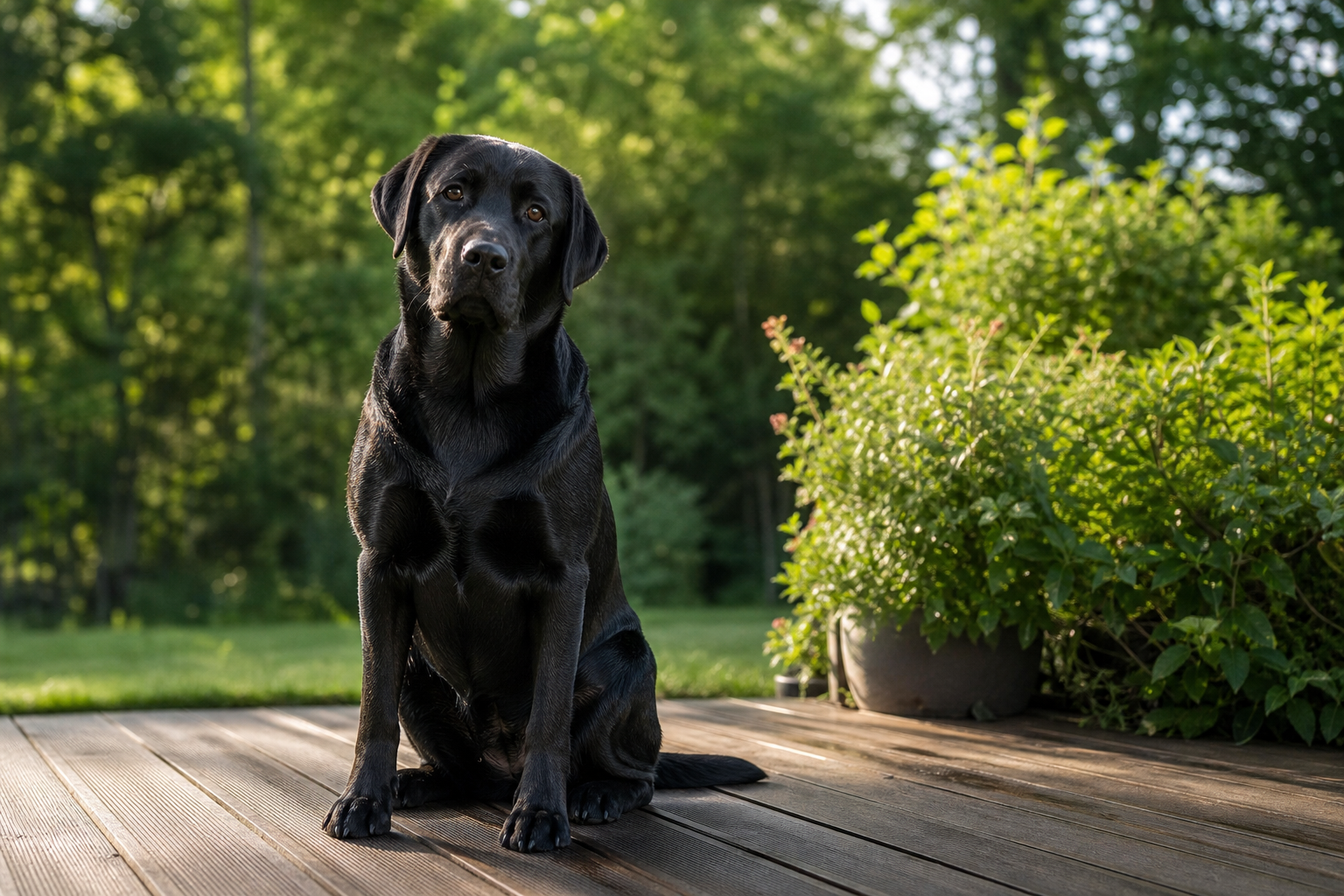
Labrador Retriever health problems often start as extra weight stiff joints or smelly ears—not only in old age. Moreover many owners blame laziness when the dog is actually in pain or carrying too many pounds. This guide is for info only. However collapse wobbly collapse after fetch non-stop vomiting or a hard painful belly need emergency vet care now.
For example a four-year-old Lab who pants on short walks may be obese—not out of shape from lack of willpower. Therefore this Labrador Retriever health problems overview lists what to watch how to prevent issues and when to call your vet in 2026.
First book yearly exams and keep shots on schedule with our vaccination guide. After that learn joint care from our arthritis tips and pain cues from our pain signs guide.
Additionally tackle weight early with our weight loss guide before hips and heart pay the price.
Furthermore the AKC Labrador Retriever health overview lists many breed risks your vet screens at wellness visits.
Why Labrador Retriever health problems need breed-aware care
Disclosure: This post has affiliate links. Grey Snout Guide may earn a small fee when you buy through our links. You pay nothing extra.
Labs are America’s favorite family dog—and one of the breeds most likely to become overweight. Moreover field lines and show lines differ in build and energy. In addition love of food plus table scraps stacks pounds fast on joints.
Similarly lean weight and ear checks after swimming cut infection risk. However home routines never replace hip exams blood work and allergy workups from your clinic team.
As a result you catch small shifts early—before a limp or ear smell becomes a chronic battle.
Common Labrador Retriever health problems owners see most
Quick map by body system
Generally obesity and joint disease top many clinic lists for Labs. In addition ear infections and skin allergies follow. Meanwhile exercise-induced collapse and bloat appear in active dogs on some lines.
High-frequency issues:
- Obesity that worsens hips elbows and heart load
- Hip and elbow dysplasia with stiffness after rest
- Chronic ear infections especially after swimming
- Exercise-induced collapse (EIC) after intense fetch
- Bloat risk in deep-chest adults after heavy meals
Consequently one dog may face two issues at once—like arthritis plus yeast ears from damp coat.
Obesity and weight Labrador Retriever health problems
When every meal feels too small
Generally Labs act hungry even when calories are enough. Moreover free feeding and kid handouts are common triggers. Therefore ribs should be easy to feel without a thick fat pad.
First measure meals with a scale—not a scooper guess. Also split treats into the daily calorie budget. Similarly our weight loss guide walks portion cuts and vet-safe targets. However a dedicated Lab weight article is coming in this breed series.
Joint and mobility Labrador Retriever health problems
Hips elbows and OCD
Generally hip dysplasia is very common in the breed. Also elbow dysplasia and osteochondritis dissecans (OCD) add front-leg pain in some young dogs. For instance slow stands after naps or reluctance on stairs are classic clues.
Therefore see our hip dysplasia guide for signs home ramps and when surgery is discussed. Similarly use our senior care guide when grey muzzles need shorter walks and softer bedding.
Home support:
- Keep adults lean—weight loss is the cheapest joint drug
- Use ramps for SUVs and couches on stiff days
- Swim or walk on grass when your vet approves low-impact work
- Ask about joint supplements only after blood work—not random stacks
Ear skin and allergy Labrador Retriever health problems
Swimmers and itchy paws
Instead floppy ears trap moisture after lakes and pools. Moreover head shaking and brown ear discharge often mean infection—not just dirt.
Therefore dry ears gently after swims. Also diet trials need six to eight weeks on one protein with vet oversight. In short read our skin allergies guide for flare plans.
Similarly grooming from our home grooming guide keeps coat healthy so you spot hot spots early.
Exercise-induced collapse and stamina
When fetch ends in wobble
Generally EIC is a genetic issue in some field lines. Moreover after intense exercise the dog may collapse while still awake—often in hot weather. Therefore DNA tests on breeding stock help buyers know risk.
First stop play at the first wobble. Also cool shade and vet follow-up matter. However do not push through collapse episodes to finish the ball session.
Digestive Labrador Retriever health problems
Bloat and sensitive stomachs
Moreover deep chests carry real bloat risk. Therefore review our bloat guide for rest after meals and emergency signs like unproductive retching.
However repeated vomiting or blood in stool needs same-day vet checks—not wait-and-see on a Lab who ate trash at the park.
Cancer-related Labrador Retriever health problems
Lumps and sudden lethargy
Generally cancer rates are lower than in Goldens but still matter after age seven. For example mast cell tumors and lymphoma appear on some clinic charts.
Therefore unexplained weight loss pale gums or fast-growing lumps need same-day vet checks. Meanwhile weekly brush sessions are lump maps—note size and growth speed.
Eye and dental issues in Labs
Vision and mouth infections
Generally progressive retinal atrophy and cataracts affect some pedigrees. Therefore cloudy eyes or night blindness warrant ophthalmology referral.
Also dental disease is common when chews replace brushing. Moreover see our dental disease guide for home tooth habits and professional clean timing.
Prevention plan for your Labrador Retriever
Vet habits that pay off
First choose a large-breed puppy food until your vet clears adult switch. Also keep growth steady—not chunky puppies for photos.
Prevention checklist:
- Monthly weigh-ins on the same scale
- Hip and elbow screening per breeder or rescue paperwork
- Yearly blood work after age five sooner if limping
- Parasite control year-round in tick areas
- Insurance or savings for orthopedic emergencies
Therefore pair prevention with calm handling from our positive reinforcement guide so vet visits stay low-stress.
Daily home care for your Labrador Retriever
Exercise meals and ear checks
First split exercise into two shorter walks on hot days. Also measure food and log treats. Moreover dry ears after every swim.
However pacing at night may link to pain or cognitive change. Therefore check our cognitive dysfunction guide when disorientation joins stiffness.
Red flags: call your vet or ER now
Do not wait on these signs
Generally non-weight-bearing lameness swollen belly with retching sudden collapse after exercise or seizure activity need emergency care.
Same-day vet signs:
- Blood in stool vomit or urine
- Facial swelling after vaccines or new treats
- Heat stroke on summer fetch marathons
- Head tilt with smelly discharge that will not clear in 48 hours
FAQs on Labrador Retriever health problems
Are Labs always overweight?
No. However lean Labs exist when owners measure food and skip endless treats. Therefore genetics plus habits set the trend—not fate.
What is a normal lifespan?
Generally ten to twelve years with lean weight and good vet care. Moreover obesity shortens active years even when total years look similar.
Puppies and seniors
How much fetch for a Lab puppy?
First ask your vet when growth plates close. Also short play beats hour-long ball marathons on pavement before clearance.
Is grain-free food required?
Instead many itchy dogs improve on hydrolyzed or limited diets—not grain-free marketing alone.
Final recap: Labrador Retriever health problems step by step
First know the breed risks—weight joints ears EIC gut and cancer. Also run measured meals yearly labs and post-swim ear checks. Moreover treat limps as pain until proven otherwise. Similarly use ramps insurance and calm vet training. However when bloat signs or collapse appear go to ER. Therefore steady Labrador Retriever health problems planning keeps family dogs active longer—not guilt after the fact.
Therefore book your next wellness visit this month. Also weigh your Lab tonight. If ribs are hard to find—start a vet weight plan instead of more table scraps.
Disclosure: This post has affiliate links. Grey Snout Guide may earn a small fee. You pay nothing extra.