
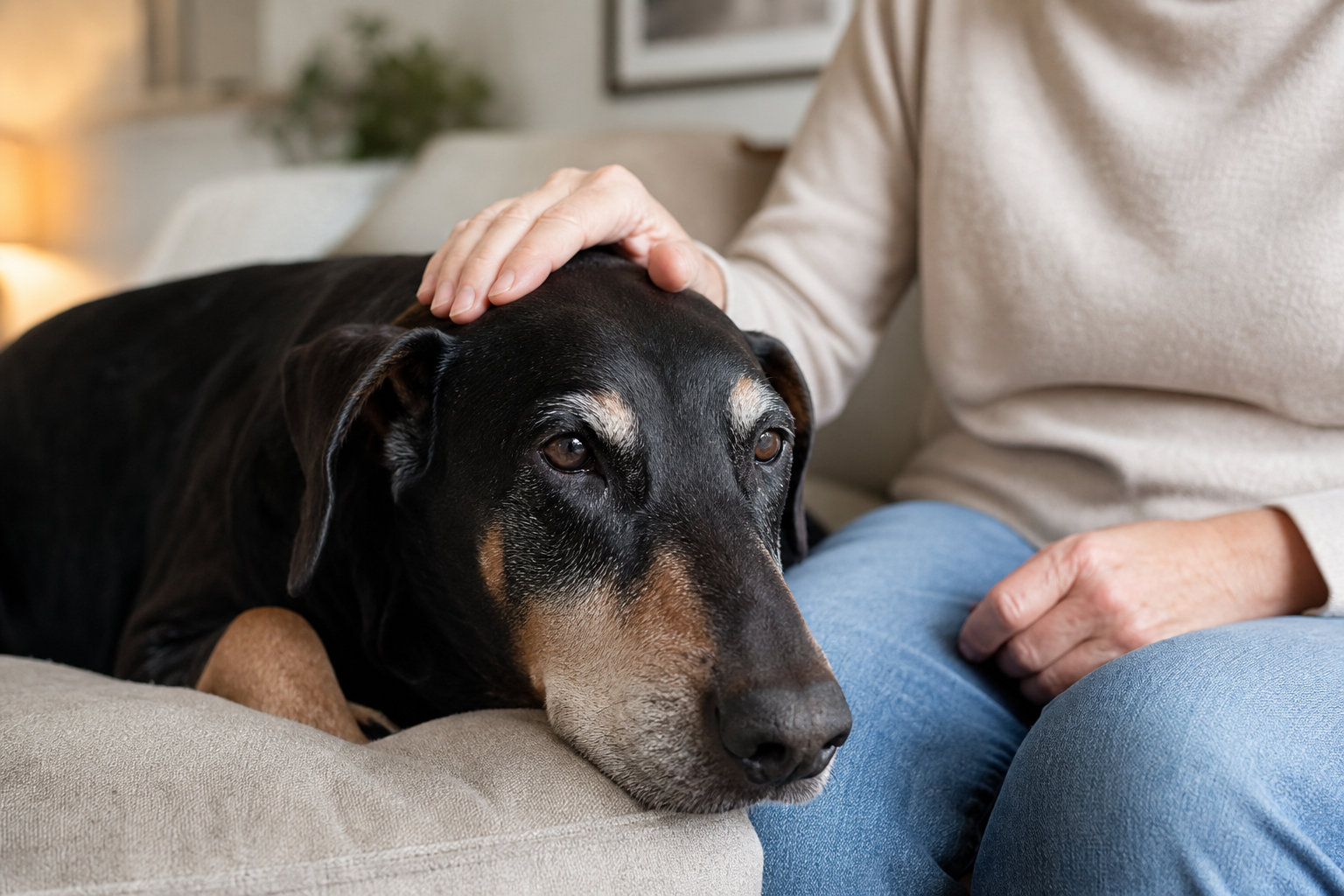
Dog heart disease often shows up in large breeds as tired walks a soft cough or a swollen belly in middle age or later. Dobermans Great Danes and Boxers face higher risk than toy breeds. This article is for info only. It does not replace vet advice. Collapse blue gums or gasping breath needs emergency care now.
For instance a dog that stops halfway on a normal route may not be lazy. Therefore track new fatigue before you blame old age alone.
In addition early heart meds can add good months or years. Similarly daily comfort habits matter as much as pills.
Read our senior care guide for broader aging support at home.
Furthermore our lifespan guide puts heart issues in breed health context.
What dog heart disease owners should know first
Disclosure: This post has affiliate links. We may earn a small fee if you buy. It costs you nothing extra. We only share gear we trust.
First heart disease means the heart pumps less well over time. After that fluid may build in lungs or belly.
For example dog heart disease can look fine at rest but struggle on stairs or hot days.
The VCA heart failure guide notes that cough and exercise intolerance are common early clues.
To sum up the heart is silent until it is not. Regular senior exams catch problems sooner.
Common types of heart disease in large breed dogs
DCM valve disease and breed-linked patterns
Namely large breeds get different heart problems than small breeds. Moreover some types are genetic and show up young.
Common types owners hear about:
- For instance dilated cardiomyopathy (DCM) weakens the heart muscle
- Similarly mitral valve disease leaks blood backward in older dogs
- Also arrhythmias cause fainting or weak pulses in some breeds
- Furthermore heartworm disease damages the heart when prevention lapses
The AKC DCM overview lists Dobermans Great Danes and Irish Wolfhounds among high-risk breeds.
In contrast small breeds more often get valve leaks. Large breeds more often get muscle weakness patterns.
Early signs of dog heart disease
Cough fatigue belly swell and fainting
By comparison early signs look like heat slow aging or extra weight. However patterns that repeat daily need a vet check.
Early signs to watch:
- First a soft cough at night or after rest
- Next shorter walks and more panting on flat ground
- Then a round hard belly from fluid buildup
- Also reduced appetite and quieter mood
- Lastly fainting weak collapse or blue-tinged gums
Nevertheless any collapse or blue gums is an emergency. Do not wait for a routine slot.
How vets diagnose dog heart disease
Exam X-rays echo and blood tests
Clearly home listening cannot confirm heart failure. Your vet uses tools that show pump strength and fluid.
Typical diagnostic steps:
- In particular a stethoscope exam finds murmurs and rhythm issues
- Beyond that chest X-rays show heart size and lung fluid
- Similarly echocardiogram (heart ultrasound) maps pump function
- Also blood work and ECG support med and diet plans
The AVMA heart care page also stresses that early diagnosis improves treatment success.
Therefore ask your vet to explain each result in plain words before you decide next steps.
Treatment and daily care for dog heart disease
Meds diet exercise limits and vet follow-ups
In practice most plans mix daily pills weight control and calm exercise blocks.
Common care pillars:
- For instance diuretics reduce fluid in lungs and belly
- Similarly ACE inhibitors and other heart meds support pump work
- Also low-sodium meals may help when your vet recommends them
- Furthermore short cool walks beat long hot hikes on bad days
Meanwhile review our senior nutrition guide with your vet before big diet swaps.
Above all never stop heart meds without vet guidance. Sudden stops can trigger crisis signs.
Quality of life for dog heart disease
Rest cool air and honest good-day checks
Overall many dogs still enjoy couch time short sniff walks and family routines on meds.
Next track cough frequency appetite joy and sleep quality each week.
Furthermore home setup cuts stress on a tired heart.
Comfort habits at home:
- Use an orthopedic bed in a cool quiet room
- Add ramps so stairs do not spike heart load
- Keep our first aid kit ready for travel and home
Nevertheless know when bad days outnumber good ones. Your vet can help you judge that line with honesty.
Prevention and awareness for dog heart disease
What owners can control before symptoms
Clearly genetics set part of the risk. Still prevention habits protect every large breed heart.
Practical awareness steps:
- For instance give monthly heartworm prevention year-round in risk zones
- Similarly keep weight lean to reduce pump strain
- Also schedule senior wellness exams with chest listening each year
- Lastly know breed risk and ask about screening in high-risk lines
In addition review our bloat guide and osteosarcoma guide for other large-breed health risks.
Similarly our arthritis guide helps when joint pain and heart limits overlap on walks.
FAQs – dog heart disease
Is coughing always heart disease?
For example kennel cough allergies and lung issues also cough. Therefore your vet should sort the cause—not guess from one symptom.
Can dogs live well on heart meds?
Many do for years. In addition stable routines plus vet rechecks keep quality strong.
Exercise diet and emergencies
How much exercise is safe?
Similarly short flat sniff walks often beat long runs. Ask your vet for a custom plan.
When is it an emergency?
Meanwhile blue gums gasping collapse or sudden belly swell needs urgent vet care tonight.
Final recap: dog heart disease care done right
Overall treat new cough fatigue or belly swell as worth a vet visit fast.
Next get echo and chest checks before you blame slow aging alone.
Then follow med plans and weight goals with your vet team.
Still adapt home rest cool air and short walks for good days and hard days alike.
As another option lean on our senior care guide for daily routines that support aging dogs.
On balance early vet partnership beats fear when dog heart disease signs first appear.
For example save your emergency vet number tonight. Do not wait for a crisis to search.
Similarly log walk length and cough notes weekly. Above all steady meds plus honest comfort checks give your dog the best shot at good days.
Disclosure: This post has affiliate links. Grey Snout Guide may earn a small fee. You pay nothing extra.