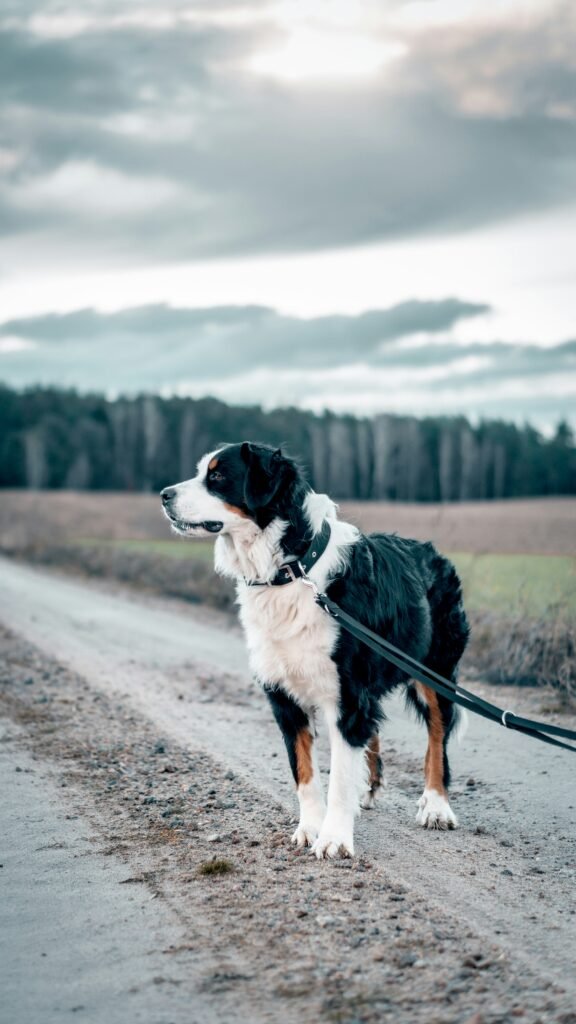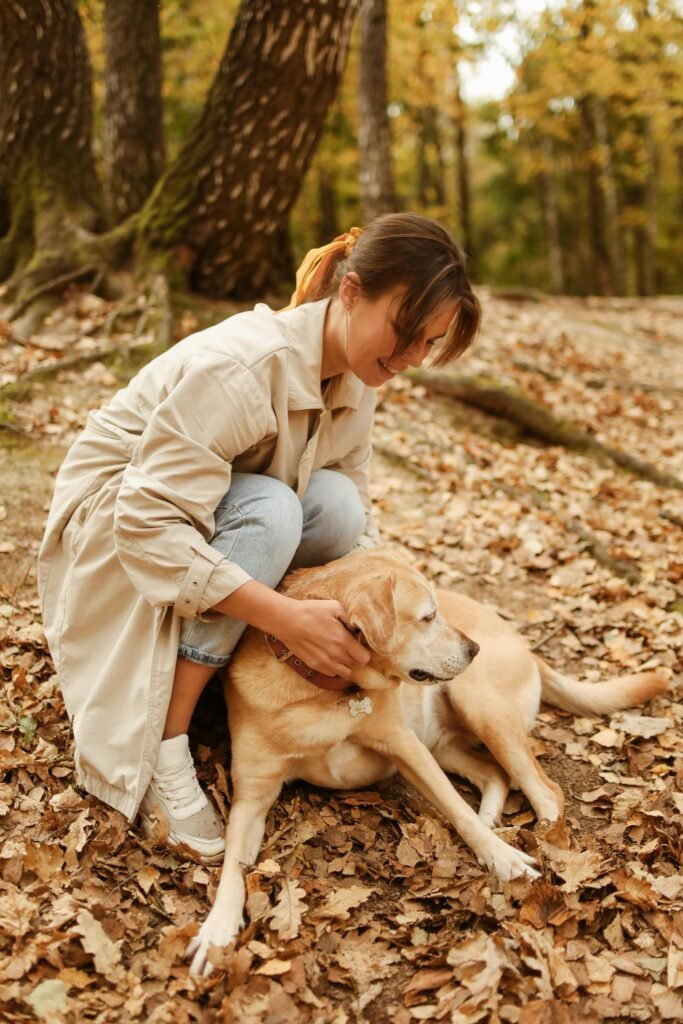

One of the most common questions large breed dog owners ask is: how long will my dog live? The answer depends on the breed, size, genetics, and — significantly — how well the dog is cared for throughout its life.
The good news is that while large breed dogs do have shorter average lifespans than small breeds, the gap is smaller than most people think. Furthermore, with the right care, many large breed dogs live well beyond their breed average. In this guide, we cover what the research says and what you can do to maximize your dog's healthy years.
Average Lifespan of Large Breed Dogs
Large breeds generally live 10–12 years, compared to 13–16 years for small breeds. However, there's significant variation within large breeds depending on size, breed-specific health issues, and individual genetics.
| Breed | Average Lifespan |
|---|---|
| Golden Retriever | 10–12 years |
| Labrador Retriever | 11–13 years |
| German Shepherd | 9–13 years |
| Rottweiler | 8–11 years |
| Bernese Mountain Dog | 7–10 years |
| Great Dane | 7–10 years |
| Saint Bernard | 8–10 years |
| Doberman Pinscher | 10–13 years |
| Boxer | 10–12 years |
| Irish Wolfhound | 6–10 years |
Key pattern: The larger the breed, the shorter the average lifespan. Giant breeds like Great Danes and Irish Wolfhounds tend to live 7–10 years, while large (but not giant) breeds like Labradors and German Shepherds often reach 12–13.
Why Do Large Breed Dogs Live Shorter Lives?
Scientists have studied this question extensively, and the evidence points to several interconnected factors:
1. Accelerated Aging at the Cellular Level
Large dogs age faster at the cellular level than small dogs. Research from the University of Washington found that every 4.4 lbs of body weight reduces a dog's lifespan by approximately one month. In other words, size itself is a predictor of longevity — independent of breed-specific health issues.
2. Higher Cancer Rates
Large and giant breed dogs have significantly higher rates of certain cancers — particularly osteosarcoma (bone cancer), hemangiosarcoma, and lymphoma. Cancer is the leading cause of death in Golden Retrievers, Bernese Mountain Dogs, and Rottweilers. However, research is ongoing, and early detection dramatically improves outcomes.
3. Joint and Musculoskeletal Disease
Hip dysplasia, elbow dysplasia, and degenerative joint disease are common in large breeds and accelerate physical decline. Furthermore, the extra weight large dogs carry amplifies joint stress throughout their lives. Read our full guide: Hip Dysplasia in Large Breed Dogs: Signs & How to Help.
4. Heart Disease
Large breeds, particularly Dobermans and Boxers, have elevated rates of dilated cardiomyopathy (DCM) — a condition where the heart muscle weakens and enlarges. Regular cardiac screening in at-risk breeds is important after age 5.
5. Gastric Dilatation-Volvulus (Bloat)
Deep-chested large breeds (Great Danes, German Shepherds, Weimaraners) are at elevated risk for GDV — a life-threatening condition where the stomach twists. GDV can kill within hours without emergency surgery. Prophylactic gastropexy (a surgical procedure to tack the stomach) is available for high-risk breeds.
At What Age Is a Large Breed Dog Considered "Senior"?
Large breed dogs are generally considered senior at 7–8 years old, compared to 10–11 years for small breeds. However, the transition to senior status is gradual — most large breeds start showing age-related changes between 6 and 9 years old.
Signs your large breed dog is entering their senior years:
- Slowing down on walks, less interest in high-intensity play
- Stiffness after rest, particularly in the morning
- Gray muzzle and facial hair
- Slightly reduced appetite or increased selectivity
- Sleeping more during the day
- Reduced hearing or vision
These changes are normal. Furthermore, they're a signal to adjust your care routine — not to worry, but to be proactive. Read our guide: 10 Signs Your Large Breed Dog Is Getting Old.
How to Help Your Large Breed Dog Live Longer
While genetics set the ceiling, lifestyle and care determine how close your dog gets to it. The following factors have the strongest evidence for extending healthy lifespan in large breed dogs.
1. Maintain a Healthy Weight Throughout Life
Obesity is the single most preventable cause of early death and reduced quality of life in dogs. A landmark study by Purina found that dogs kept lean lived an average of 1.8 years longer than their overweight siblings — and spent more of those years healthy and mobile.
For large breeds, even 10–15% excess body weight dramatically increases joint stress, cardiovascular load, and cancer risk. You should be able to feel your dog's ribs easily but not see them. If you can't feel the ribs without pressing, your dog is overweight.
2. Feed a High-Quality Diet
Nutrition matters. Large breed dogs have specific needs:
- Higher protein to maintain muscle mass as they age
- Controlled calcium and phosphorus during puppyhood to prevent rapid bone growth
- Omega-3 fatty acids (fish oil) to reduce systemic inflammation
- Glucosamine and chondroitin for joint health in senior dogs
Read our guide: Best Dog Food for Senior Large Breed Dogs.
3. Use Joint Supplements from Age 5–6
Don't wait until your dog is limping. Starting glucosamine, chondroitin, and fish oil at age 5–6 — before significant joint damage occurs — slows cartilage breakdown and reduces inflammation during the years when it can still make a real difference. Read our guide: Best Joint Supplements for Senior Large Breed Dogs.
4. Regular Veterinary Care
Annual checkups (twice yearly for dogs over 8) allow early detection of cancer, heart disease, kidney disease, and other age-related conditions. Early intervention is dramatically more effective than late-stage treatment. Blood panels from age 7 onward give a baseline that makes future changes detectable.
5. Appropriate Exercise Throughout Life
Consistent, moderate exercise maintains muscle mass, cardiovascular health, and healthy weight. In addition, it supports mental health and reduces anxiety-related behaviors in senior dogs.
- Young adult (1–5 years): 45–90 minutes of exercise daily, mix of walking and play
- Middle age (5–8 years): 30–60 minutes, lower impact, avoid forced high-intensity sessions
- Senior (8+ years): 20–40 minutes of gentle leash walking, swimming if available
The key is consistency, not intensity. A senior dog who walks 30 minutes daily is far healthier than one who walks 2 hours on weekends and nothing during the week.
6. Protect Their Joints
Reduce daily joint impact: use ramps instead of having your dog jump in and out of vehicles, provide orthopedic sleeping surfaces, add non-slip rugs on slippery floors, and consider a support harness as mobility declines.
- Best Dog Ramps for Senior Large Breed Dogs
- Best Orthopedic Dog Beds for Senior Large Breed Dogs
- Best Dog Harnesses for Senior Large Breed Dogs
7. Dental Health
Periodontal disease affects over 80% of dogs over age 3 and is linked to heart, kidney, and liver disease. Regular tooth brushing (ideally daily) and annual dental cleanings significantly reduce systemic disease risk — and extend healthy lifespan.
8. Mental Stimulation
Cognitive decline in senior dogs is real and accelerates with inactivity. Mental stimulation — training sessions, puzzle feeders, new environments, social interaction — keeps the brain active and slows cognitive aging. Furthermore, a mentally engaged dog maintains better emotional wellbeing, which has measurable physiological benefits.
Breed-Specific Longevity Tips
Some breeds have well-known health vulnerabilities that owners can specifically address:
Golden Retrievers: Highest cancer risk of any breed. Annual cancer screening from age 8 is essential. The Golden Retriever Lifetime Study (Morris Animal Foundation) has provided critical new data on prevention.
German Shepherds: High degenerative myelopathy risk — a progressive spinal cord disease. Joint support and mobility aids are important from age 7. Hip dysplasia screening recommended.
Great Danes: Highest bloat (GDV) risk. Discuss prophylactic gastropexy with your vet. Cardiac screening from age 3 (DCM risk).
Dobermans: Highest dilated cardiomyopathy (DCM) risk. Cardiac screening with echocardiogram annually from age 5. Holter monitoring recommended.
Bernese Mountain Dogs: Extremely high cancer rate (>50% die from cancer). Vigilant monitoring for lumps, unexplained weight loss, and energy changes from age 5.
Frequently Asked Questions
How long do large breed dogs live on average? Most large breed dogs live 10–12 years. Giant breeds (Great Danes, Irish Wolfhounds, Saint Bernards) average 7–10 years. Individual dogs can significantly exceed breed averages with good care.
What is the longest-living large breed dog? The Belgian Malinois and the Border Collie (on the upper end of medium/large size) are among the longest-lived larger breeds, often reaching 14–16 years. Among true large breeds, well-cared-for Labrador Retrievers regularly reach 13–14 years.
At what age should I start senior care for my large breed dog? Most vets recommend transitioning to senior-oriented care — including twice-yearly checkups, joint supplements, and dietary adjustments — at age 7 for large breeds and age 5–6 for giant breeds.
Does neutering affect large breed dog lifespan? The research is nuanced. Early neutering (before 12 months) in large breeds is associated with higher rates of joint disease and certain cancers. Many veterinary organizations now recommend waiting until 18–24 months for large breeds. Discuss timing with your vet based on your dog's breed and individual health.
Can a large breed dog live to 15? It's rare but documented. The oldest verified large breed dogs have reached 15–17 years. These cases typically involve excellent genetics, lifetime healthy weight maintenance, and proactive veterinary care from puppyhood.
Summary
Large breed dogs live shorter lives than small breeds — but the gap is not fixed. Weight management, high-quality nutrition, proactive joint care, regular veterinary monitoring, and appropriate exercise are the levers with the strongest evidence for extending healthy lifespan.
The goal isn't just more years — it's more good years. A large breed dog who reaches 12 in excellent health, still enjoying walks and daily life, is the real target.
Start the preventive care early. The best time to begin is before the problems appear.