
Labrador weight management is essential because Labs gain weight easily. This page shows how to measure food check body shape and keep your Lab lean for life.
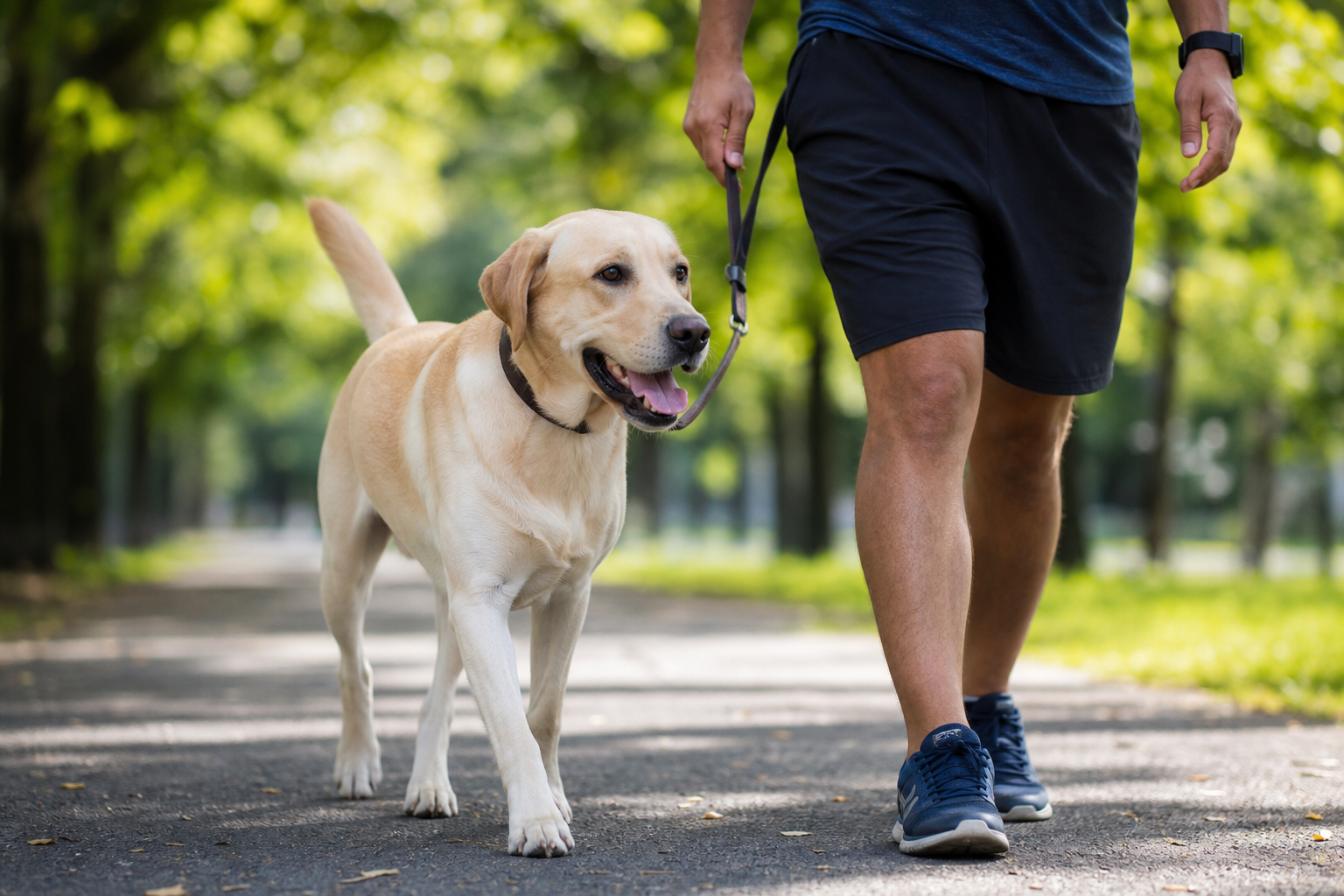
Labrador weight management matters more than in most breeds. Labs love food and many owners overfeed by accident. Moreover extra pounds strain hips heart and shorten active years. This guide is for info only. Sudden collapse or non-weight-bearing lameness need emergency vet care now.
For example a Lab who pants on a short walk may be obese—not out of shape. Therefore this Labrador weight management guide covers body checks meals exercise and vet targets in 2026.
First read our Labrador Retriever health problems guide for breed risks. After that use our weight loss guide if your vet sets a cut plan.
Additionally see our Labrador Retriever lifespan guide for how weight shapes healthy years.
Furthermore the AKC Labrador Retriever health page notes obesity as a top breed issue.
Why Labrador weight management is so important
Disclosure: This post has affiliate links. Grey Snout Guide may earn a small fee when you buy through our links. You pay nothing extra.
Labs were bred to work long days. However modern life often means short walks plus rich food and table scraps. In addition the breed acts hungry even when calories are enough.
Similarly lean dogs move easier at every age. However guessing cup scoops fails—scales and rib checks win. Therefore small daily habits beat crash diets.
As a result you protect joints heart and stamina—not only how the dog looks.
How to tell if your Lab needs weight management
Body condition score at home
Generally ribs should be easy to feel without a thick fat pad. Also you should see a waist from above and a tuck from the side.
Red flags of excess weight:
- No waist when you look down from above
- Fat pad over hips and base of tail
- Heavy panting on mild walks
- Reluctance to play after short effort
- Scale weight creeping up each month
Therefore weigh monthly on the same scale. Moreover log treats kids and guests give—hidden calories add fast.
Labrador weight management meal plan basics
Measure don’t guess
First use a kitchen scale for kibble. Also read the bag label for your dog’s target weight—not current weight if obese.
Moreover split into two meals per day. In addition count training treats inside the daily calorie budget.
Meal habits that work:
- Pre-portion treats in a daily jar—when empty stop
- No free feeding bowls that never empty
- Swap table scraps for carrot pieces if your vet approves
- Use low-calorie veggies for training on walk days
- Pick a weight-control formula only if your vet agrees
Consequently our weight loss guide walks slow safe cuts—not starvation.
Exercise for Labrador weight management
Move smart not only hard
Generally overweight Labs need low-impact start plans. For instance two short walks beat one long hike that fries joints.
Therefore swim when your vet approves—it burns energy with less joint stress. Also add sniff games in the yard for mental work without sprinting.
However stop fetch if your dog shows EIC wobble—see our health problems guide for collapse signs.
Health risks when Labrador weight management fails
Why extra pounds hurt Labs
Moreover obesity worsens common breed issues:
- Hip and elbow pain and faster arthritis
- Heart and breathing strain on hot days
- Diabetes risk in some overweight dogs
- Shorter active years even if total years look similar
- Harder surgery and slower healing if injury occurs
Therefore see our hip dysplasia guide and pain signs guide when movement slips.
Labrador weight management for puppies and seniors
Life stage tweaks
Puppies: Generally keep growth steady—not roly-poly pups. Moreover use large-breed puppy food until your vet clears adult switch.
Adults: Also reset calories after neuter when metabolism often slows. Therefore re-weigh eight weeks after surgery.
Seniors: Meanwhile muscle loss can hide fat—feel ribs and waist not only scale weight. Use our senior care guide for softer exercise plans.
Vet partnership for Labrador weight management
Targets blood work and timelines
First ask your vet for a goal weight and weekly loss rate. Generally safe loss is slow—not crash dieting.
Also run blood work if your dog is very obese or tired—thyroid and other issues can mimic hunger.
Therefore revisit the plan every four to six weeks until ribs feel right again.
FAQs on Labrador weight management
My Lab acts starving—is he?
Generally Labs beg even when fed enough. Therefore measure meals and log treats before you add more food.
How fast should weight drop?
Moreover follow your vet rate—often one to two percent of body weight per week max.
Treats and family
Can I still use treats for training?
Yes. Instead use pea-size pieces and count them in the daily total.
What if kids feed the dog?
Therefore use one treat jar per day. When it is empty everyone stops—including guests.
Final recap: Labrador weight management step by step
First weigh and feel ribs monthly. Also measure every meal on a scale. Moreover cut hidden calories from table food and endless treats. Similarly add short walks and swim when cleared. However follow your vet target—not internet crash diets. Therefore steady Labrador weight management keeps your Lab active longer and happier on joints.
Therefore weigh your Lab tonight and photo the ribs line from above. Also start a treat jar with tomorrow’s allowance. If ribs are hard to find—book a vet weight plan this week.
Disclosure: This post has affiliate links. Grey Snout Guide may earn a small fee. You pay nothing extra.