
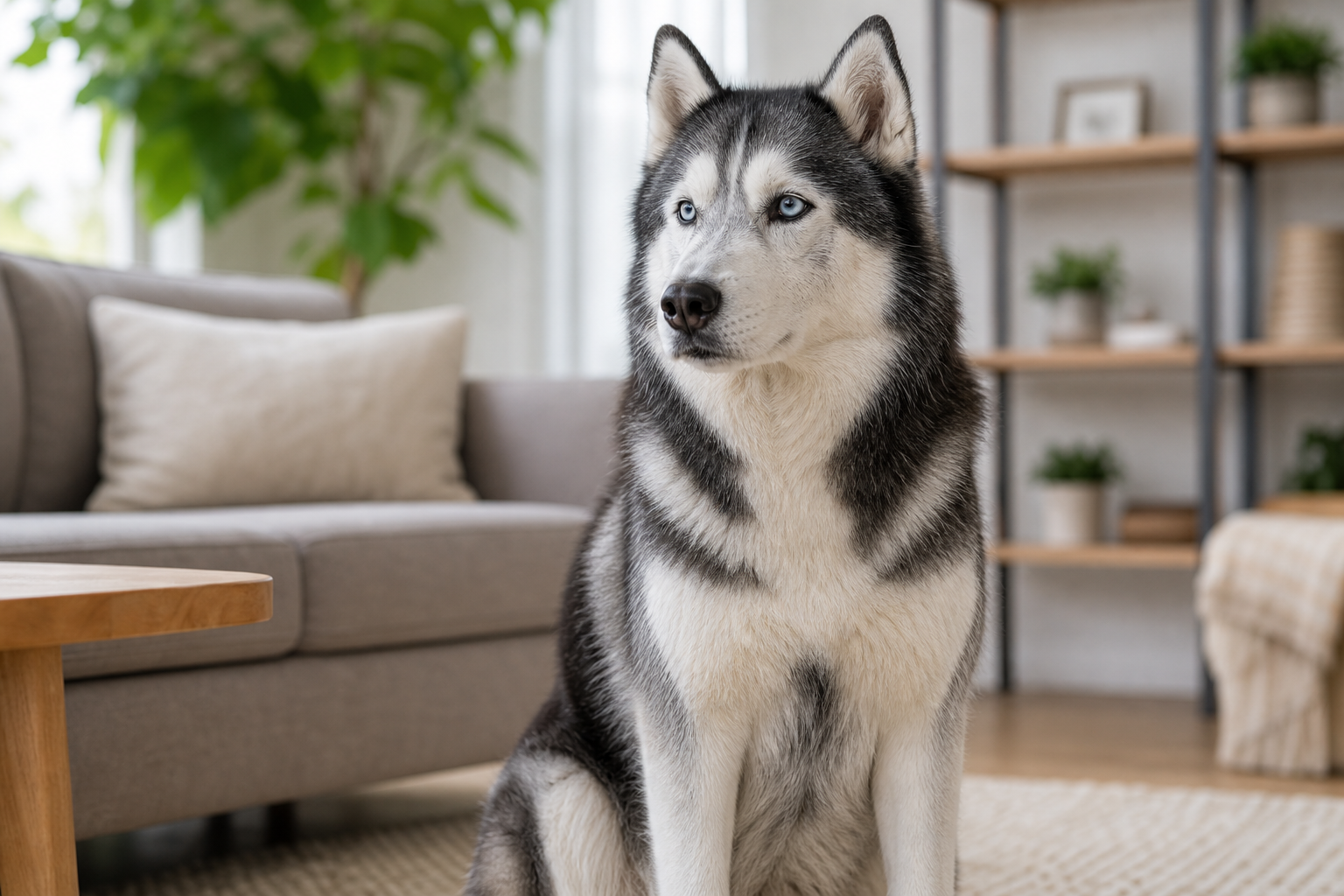
Siberian Husky health planning matters on a high-drive breed with cold-climate roots. Eye changes skin flaking and thyroid shifts can start in midlife—not only at the end. Moreover many Huskies mask pain until hips or vision issues turn urgent. This guide is for info only. However collapse seizures or a hard painful belly need an ER vet now.
For example a six-year-old Husky may lag on runs when hip pain builds—not attitude alone. Therefore this Siberian Husky health guide lists what to watch in 2026. It also covers prevention and when to call your clinic.
First book yearly exams with eye checks. Read our hip dysplasia guide for joint signs on active frames. After that study our cooling bandana guide when summer heat limits exercise.
Additionally learn ER cues from our emergency signs guide when minutes matter on active breeds.
Furthermore the AKC Siberian Husky breed page lists health risks vets screen on these dogs each year.
Why Siberian Husky health needs breed-aware care
Disclosure: This post has affiliate links. Grey Snout Guide may earn a small fee when you buy through our links. You pay nothing extra.
Siberian Huskies are athletic double-coated runners built for cold work. However that coat traps heat in summer and hides skin flares until owners part fur to the skin. In addition eye and thyroid issues run in some family lines.
Similarly lean weight helps joints on 50 lb active dogs. Weekly coat checks help you spot zinc skin issues and lumps early. However home care never replaces blood work and eye exams. Your vet still needs hip thyroid and vision talks each year.
As a result you catch small shifts before a limp or cloudy eye becomes a crisis.
Common Siberian Husky health issues owners see most
Quick map by body system
Generally eye disease and hip dysplasia top many clinic lists for Huskies. Hypothyroidism and zinc skin issues follow in adults. Epilepsy appears in some lines too.
High-frequency issues:
- Progressive retinal atrophy cataracts and corneal disease
- Hip dysplasia with stiffness after rest or long runs
- Hypothyroidism with weight gain coat dullness and low energy
- Zinc-responsive dermatosis with crusting around eyes and mouth
- Epilepsy and seizure activity in some family lines
- Heat stress and exercise limits in hot humid climates
Consequently one dog may face two issues at once. For example crusty facial skin plus a new limp on the same visit.
Eye and vision Siberian Husky health
PRA cataracts and corneal checks
Generally Huskies carry higher eye disease risk than many breeds. For instance night vision loss PRA signs or cloudy lenses need an eye vet. Also uveitis and corneal dystrophy appear on some clinic charts.
Therefore book eye exams when breeders or rescues note vision testing paperwork. Meanwhile our eye wipes guide covers daily crust care only when your clinic OKs wipe routines—not vision treatment alone.
Moreover sudden eye redness squinting or a blue-white haze needs same-day vet care.
Joint and mobility Siberian Husky health
Hips and active wear
Generally hip dysplasia affects some Husky lines despite their lean look. Also years of hard running on pavement can stress joints in adults. For instance slow stands after naps are a clue. Reluctance on stairs is another.
Therefore see our hip dysplasia guide for signs and ramps. Similarly use our joint balm guide for spot comfort only with vet OK. Also our senior care guide when grey-muzzle Huskies need shorter runs.
Home support:
- Keep adults lean—extra weight adds joint stress on active dogs
- Favor grass and soft trails over daily hard pavement loops
- Build rest days into weekly run plans as dogs age
- Ask about pain plans after blood work—not random supplement stacks
Skin and thyroid Siberian Husky health
Zinc flares and metabolism shifts
Moreover zinc-responsive dermatosis can crust skin around the eyes mouth and ears on some Huskies. Also hypothyroidism drives weight gain dull coat and low drive in midlife adults. Therefore yearly thyroid blood work matters after age four.
However crusty skin is not always zinc or thyroid disease alone. Fungal allergy and mange need skin scrapes and labs from your clinic.
Similarly our home grooming guide helps you part coat to the skin weekly. Also our hot spot spray guide helps moist zones per vet OK when flares appear.
Neurologic and heat Siberian Husky health
Seizures and summer limits
Some Huskies develop epilepsy in family lines. Moreover first seizures need a same-day or urgent vet call—not wait-and-see home plans. Also keep a seizure log with date time length and behavior if episodes occur.
Furthermore double coats and cold-climate roots make heat stress a real risk in summer. Therefore walk at dawn or dusk when temps spike. Provide shade AC breaks and cool water on hot days.
In addition read our cooling bandana guide when neck cool helps on warm outing days per vet OK.
Prevention plan for your Siberian Husky
Vet habits that pay off
First choose a quality large-breed or all-life-stages food per your vet. Also keep puppies lean through steady growth—not bulk for looks. Switch life-stage food only when your clinic says so.
Prevention checklist:
- Yearly blood work and thyroid checks after age four
- Eye exams when breeder or rescue paperwork notes vision testing
- Hip screening per breeder or rescue health records
- Parasite control year-round in tick areas
- Insurance or savings for eye orthopedic and neurologic emergencies
Therefore pair prevention with calm handling. Use our positive reinforcement guide so vet and eye exams stay calm.
Daily home care for your Siberian Husky
Weight coat checks and exercise balance
First weigh monthly on the same scale. Also adjust food when ribs get hard to feel under the coat. Moreover brush weekly to the skin to find crust lumps and mats.
However match run length to weather and age. Therefore shorten loops on hot humid days and add rest for stiff senior Huskies.
Red flags: call your vet or ER now
Do not wait on these signs
Generally a lame leg that will not bear weight needs an ER vet. Also go now for first seizure or cluster seizures in one day. Sudden collapse or gray gums need emergency care too.
Same-day vet signs:
- Eye that turns cloudy red or stays shut
- Spreading facial crust with odor or pain
- Heat stroke on summer runs with heavy panting and drool
- Fast weight gain with dull coat and low energy
- Blood in stool vomit or urine
FAQs on Siberian Husky health
How long do Siberian Huskies usually live?
Generally twelve to fourteen years. Moreover some reach fifteen with good genetics lean weight and early eye and thyroid care.
Are Huskies healthy compared to other breeds?
Generally they live longer than many giants. However eye hip and thyroid issues still need steady clinic plans—not skip-vet assumptions.
Puppies and seniors
How much exercise for a Husky puppy?
First ask your vet when growth plates close. Also short structured play beats long pavement runs before clearance.
Why is my Husky flaky around the eyes?
Instead book a skin and blood work visit. Zinc thyroid allergy and mange all need clinic tests—not coconut oil alone.
Final recap: Siberian Husky health step by step
First know the breed risks. Watch eyes hips skin and thyroid signs. Also run lean meals and yearly labs. Do weekly coat-level checks. Moreover treat limps and seizures as urgent until your vet clears them. Similarly use heat plans insurance and calm exam training. However when collapse or eye pain appears go to ER. Therefore steady Siberian Husky health planning makes every run year count.
Therefore book a wellness visit this month. Also part your Husky’s coat to the skin tonight. If you found a new lump at last brush—call your vet now.
Disclosure: This post has affiliate links. Grey Snout Guide may earn a small fee. You pay nothing extra.