
Glucosamine vs fish oil is the joint-care fork when your 90 lb Bernese slows on stairs but your vet says weight and supplements before new pain meds. Moreover glucosamine feeds cartilage support while fish oil targets inflammation with omega-3s. Therefore this guide compares both for large breed joint care in 2026.
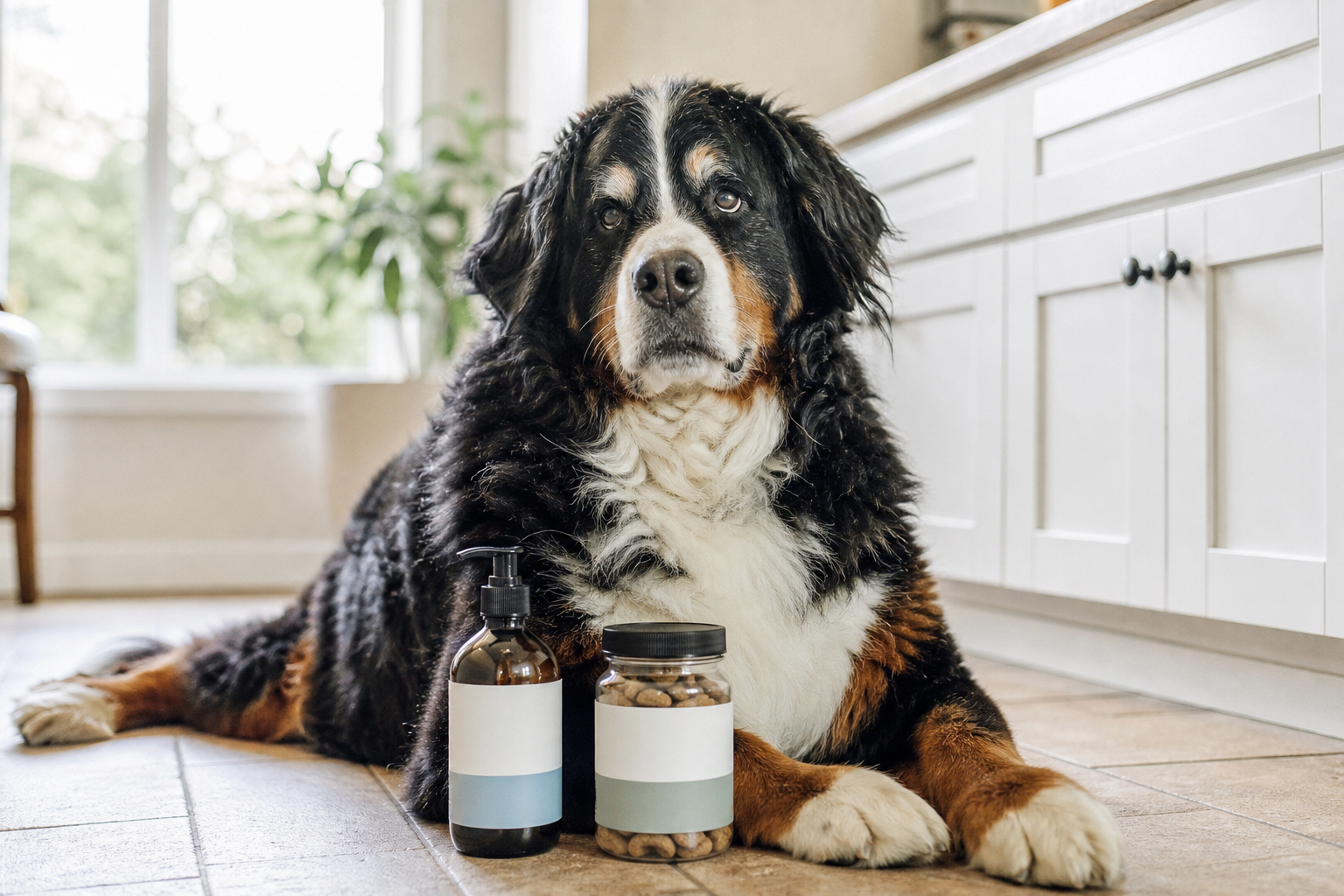
Moreover glucosamine vs fish oil debates often treat them as rivals when many clinics stack both. In addition XL dogs need higher mg targets than toy-breed labels show. This guide is for info only. Sudden limp collapse or refusal to stand needs an exam today—not a new bottle alone.
For example your Lab may need chondroitin for long-term hips plus EPA/DHA for flare weeks. Meanwhile the right glucosamine vs fish oil plan depends on pain type weight and vet meds in 2026.
Additionally see our anti-inflammatory supplement Top 6 guide for glucosamine chondroitin and MSM picks.
After that read our fish oil guide for liquid pump and chew doses on big dogs.
Furthermore our senior joint supplement guide ranks full stacks many vets mention by name.
Similarly the AVMA pet care basics stress vet clearance before supplement stacks on medicated dogs.
Overall the AKC fish oil overview notes omega-3 dose and quality matter more than brand hype alone.
Short answer: glucosamine vs fish oil for giants
Disclosure: This post has affiliate links. Grey Snout Guide may earn a small fee when you buy through our links. You pay nothing extra.
Generally choose glucosamine with chondroitin for daily long-term joint maintenance on aging XL dogs. Meanwhile add fish oil when inflammation skin or heart support is the main goal—or when your vet wants EPA/DHA beside joint chews. Consequently many senior large breeds run both year-round—not one instead of the other.
Glucosamine vs fish oil comparison table
Side-by-side for large breed joint care
Meanwhile use this chart before you buy random Amazon stacks. In addition weigh your dog and list current vet meds today.
| Factor | Glucosamine stack | Fish oil (omega-3) |
|---|---|---|
| Main role | Cartilage and joint structure support | Anti-inflammatory EPA/DHA |
| Typical ingredients | Glucosamine chondroitin MSM | Fish or algae oil EPA DHA |
| Time to notice | Often 4–8 weeks | Often 4–8 weeks |
| XL dose need | Higher mg per body weight | EPA/DHA mg not just “one pump” |
| Extra benefits | Joint-focused mainly | Skin coat heart support |
| Key cautions | Shellfish allergy check | Bleeding risk with some meds |
| Best default for XL seniors | Daily baseline joint plan | Inflammation plus skin or heart goals |
Therefore the glucosamine vs fish oil choice is biology—not bottle art alone. Moreover neither replaces vet NSAIDs weight loss or surgery consults.
Glucosamine vs fish oil: when glucosamine wins
Long-term cartilage support on big frames
Moreover glucosamine and chondroitin target the building blocks of joint tissue. Also MSM often rides along in clinic-favorite chews like Dasuquin-style stacks. In addition daily use fits aging hips and elbows on 70–120 lb dogs.
Glucosamine pros on senior giants:
- Daily maintenance for stiff hips and elbows
- Often paired in one chew with chondroitin and MSM
- Lower bleeding worry than high-dose omega-3 alone
- Easy hide-in-food powder or soft chew formats
- Supports multi-year plans before advanced meds
Consequently glucosamine suits the “slow and steady” joint stack. Nevertheless under-dosed toy chews fail on 100 lb dogs fast.
Glucosamine cons:
- Slow onset—no same-day limp fix
- Shellfish-sourced types trigger some allergies
- Quality varies widely between brands
- Not enough alone for acute injury pain
- Diabetic dogs need vet dose review
Therefore browse our anti-inflammatory supplement guide for mg targets. Similarly see our senior joint supplement guide for breed-size math.
Glucosamine vs fish oil: when fish oil wins
Inflammation skin and omega-3 gaps
Generally fish oil delivers EPA and DHA that calm inflammatory pathways. Meanwhile many large breeds eat kibble low in fresh omega-3s. In addition vets often add fish oil beside glucosamine—not instead of it.
Fish oil pros on senior giants:
- Targets systemic inflammation beyond joints
- Helps dry coat and flaky skin on big dogs
- Supports heart and kidney plans per vet goals
- Liquid pumps scale dose to exact body weight
- May complement weight-loss joint programs
As a result fish oil excels when inflammation skin or heart are in the same conversation. Furthermore quality triglyceride-form oils absorb better than vague “fish oil blend” labels.
Fish oil cons:
- High doses can thin blood on some meds
- Stop or adjust before surgery per clinic rules
- Rancid oil causes GI upset and wasted money
- Calories add up on overweight seniors
- Not a substitute for prescribed pain control
Meanwhile see our fish oil guide for pump and capsule picks. In addition ask your vet before stacking with aspirin or blood thinners.
Glucosamine vs fish oil by scenario
Pick the right joint stack today
Therefore match supplement to symptom and vet plan—not only what worked for a neighbor’s Poodle. Similarly revisit this list after blood work or new NSAIDs. In addition log gait appetite and stool for four weeks on any change.
| Scenario | Better pick |
|---|---|
| Early hip stiffness on daily walks | Glucosamine stack daily |
| Flare after cold weather or long hike | Fish oil per vet EPA/DHA target |
| Dry coat plus stiff joints | Both—introduce one at a time |
| Pre-surgery joint dog | Pause fish oil—follow clinic sheet |
| On prescription NSAIDs already | Vet-approved stack only |
| Shellfish allergy history | Plant or synthetic glucosamine options |
| Overweight XL with joint load | Weight plan first—then both supplements |
Additionally read our arthritis guide and hip dysplasia guide for full pain plans. Consequently supplements support care—they do not replace lean weight and safe exercise.
Can you use glucosamine and fish oil together?
Stack smartly with vet clearance
Generally yes—many vets prescribe glucosamine chews plus omega-3 for senior large breeds. Meanwhile introduce one product for two weeks before adding the second. In addition track stool coat and gait in a simple daily note.
Consequently a combined plan is common—not a marketing upsell alone. However stop if diarrhea vomiting or bleeding appears and call your clinic.
Furthermore our CBD vs joint supplements guide covers a different fork—calm and comfort—not this omega-3 versus glucosamine split.
Dose and safety checks for glucosamine vs fish oil
XL weight math without label guesswork
Moreover follow these steps before you double servings:
- Weigh your dog monthly—XL seniors shift on new meds
- Match glucosamine mg to body weight per product or vet sheet
- Count EPA plus DHA mg—not total oil volume alone
- Store fish oil in the fridge and sniff for rancid odor
- Pause omega-3 before surgery unless your vet says otherwise
- Never give human ibuprofen or naproxen for limp relief
Therefore bad dosing ruins any glucosamine vs fish oil trial with gut upset or false “it failed” notes. In addition bring supplement labels to annual blood work visits.
Similarly our senior care guide ties supplements to walk length and floor grip at home.
Glucosamine vs fish oil vs full joint stacks
Three layers—not the same bottle
Moreover some chews combine glucosamine and fish oil in one label. Meanwhile many owners run a joint chew plus a separate liquid omega-3 for precise EPA/DHA counts.
Additionally green-lipped mussel turmeric and collagen appear in other stacks—we cover those in dedicated guides later. Therefore today’s glucosamine vs fish oil fork is the baseline pair most vets mention first.
Consequently start simple with vet clearance before you add four exotic powders at once.
FAQs on glucosamine vs fish oil
Which works faster?
Moreover neither fixes limping overnight. Therefore expect four to eight weeks of consistent use before you judge gait changes.
Can puppies take glucosamine?
Generally ask your vet on large-breed puppy plans—growth plates and diet balance matter more than random chews early.
Health and meds
Still limping on both?
Consequently book a recheck for x-rays weight and prescribed pain plans—not higher DIY doses.
Fishy burps or loose stool?
Instead lower dose split meals or switch triglyceride-form oil—and pause if bleeding risk meds are in play.
Final recap: glucosamine vs fish oil checklist
Moreover book a vet exam before big stack changes on medicated seniors. Also start glucosamine for daily XL joint maintenance. Furthermore add fish oil when inflammation skin or heart goals need EPA/DHA. Consequently introduce one product at a time and log gait for four weeks. However stop if GI upset or bleeding signs appear. Therefore smart glucosamine vs fish oil use supports large breed joint care in 2026—not hype alone.
Meanwhile see our senior care guide and large breed dog care hub for full mobility stacks.
Disclosure: This post has affiliate links. Grey Snout Guide may earn a small fee. You pay nothing extra.