
Large breed dog adoption can be the best decision you make—or a hard mismatch if you skip homework. Giants need space vet budget and realistic breed fit. This page lists what to ask before you sign.
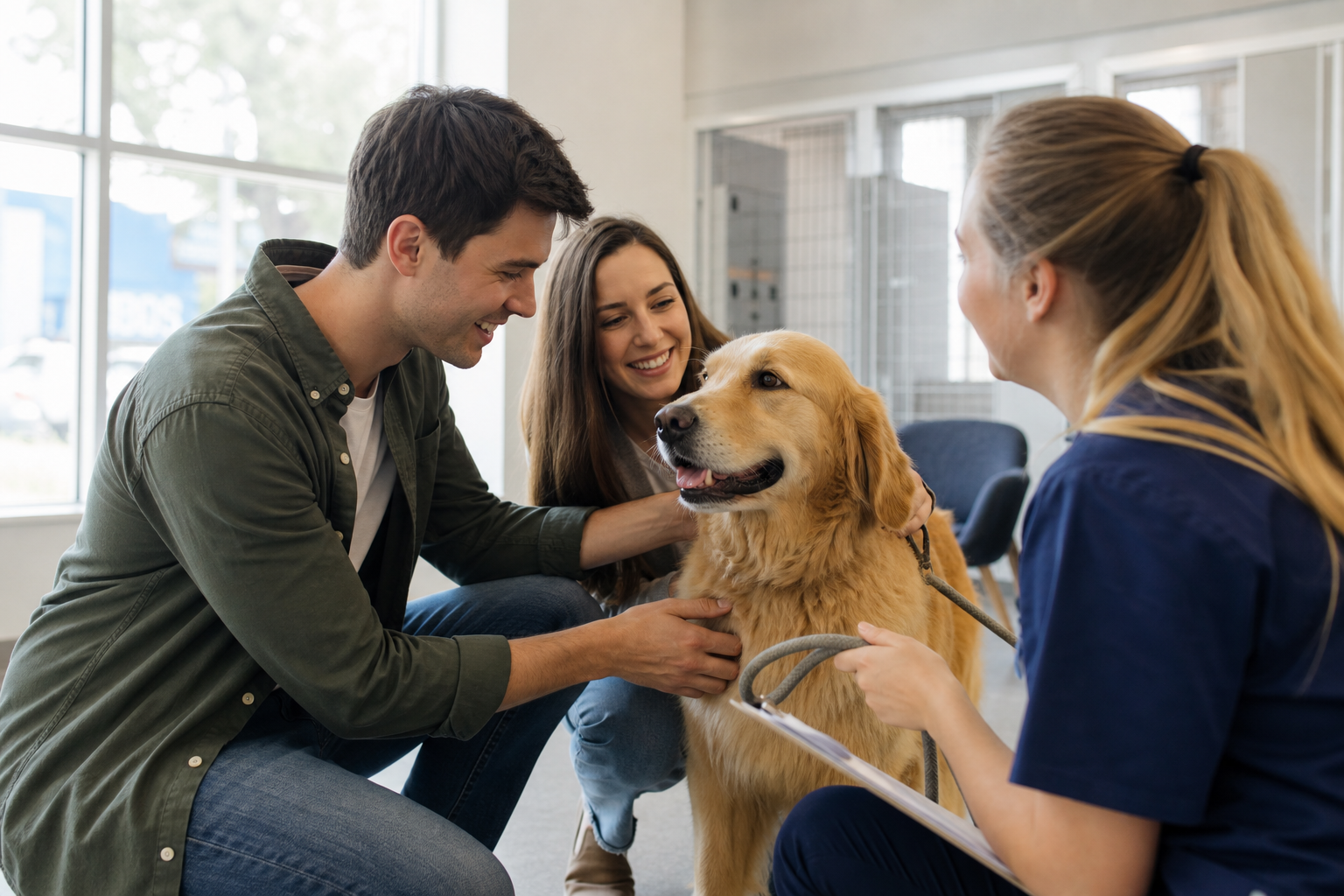
Large breed dog adoption saves lives and often costs less up front than a boutique puppy. However a 90 lb dog is not a small pet in a big body. Moreover vet bills food and gear scale with size. This guide is for info only. Aggression bites or sudden collapse need a pro trainer or ER vet—not guesswork online.
For example a calm five-year-old Lab mix may fit a busy family better than an eight-month Dane puppy. Therefore this large breed dog adoption guide covers rescues seniors money and home prep in 2026.
First read our senior care guide if you lean toward a grey muzzle. After that study hip dysplasia basics and vaccination timing before day one home.
Additionally keep our weight loss guide handy—many rescues arrive overweight.
Furthermore the AKC dog adoption overview walks standard shelter steps every giant owner should know.
Why large breed dog adoption is different from small dogs
Disclosure: This post has affiliate links. Grey Snout Guide may earn a small fee when you buy through our links. You pay nothing extra.
Big dogs need bigger crates beds and car plans. However many rescues are already house-trained and past the chew-everything puppy storm. In addition seniors often sleep more and need shorter walks.
Similarly one adoption can free a shelter kennel for the next dog. Therefore you gain a partner and help the system—when fit is honest.
As a result prep beats impulse at the meet-and-greet table.
Is large breed dog adoption right for you
Space time and money check
Generally ask yourself before you apply:
- Can your home handle a 70–150 lb dog turning around in halls
- Do you have budget for food meds and emergency vet bills
- Can an adult walk or lift if the dog gets sick or stiff
- Are kids or cats ready for a giant newcomer with slow intros
- Does your lease or HOA allow large dogs
Moreover apartment life can work for some calm adults—but not every breed. Article 191 will cover apartments in depth.
Therefore skip adoption day if answers are shaky—wait until they are solid.
Questions to ask during large breed dog adoption
Rescue and shelter script
First request medical and behavior files in writing. Also ask who fostered the dog and for how long.
Must-ask questions:
- Known bite history toward people dogs or kids
- Separation anxiety crate training and house training status
- Prior hip elbow or heart tests—or why none exist
- Current meds diet and vet clinic name
- Triggers such as men hats bikes or other dogs on leash
Consequently a foster home report beats a one-hour lobby visit. Moreover meet the dog twice if you can—energy can shift with stress.
Puppy vs adult vs senior large breed dog adoption
Which age fits your life
Puppies under one year: Generally need time training and vet visits. Also large-breed puppy food until your vet clears adult switch. Article 187 will cover the first puppy year.
Adults one to six years: Moreover often the sweet spot—personality is visible and joints may still be sound.
Seniors seven plus: For instance shorter lifespan left but deep gratitude and lower exercise needs. Use our senior care guide and breed health pages like German Shepherd health or Golden Retriever health when breed is known.
Costs of large breed dog adoption
Fees gear and first-year vet
Generally adoption fees run lower than breeder prices. However giants still need:
- XL crate or gate and sturdy leash harness
- Large orthopedic bed and non-slip rugs
- First vet exam vaccines and parasite treatment
- Spay or neuter if not already done
- Monthly food bill often two to three times a medium dog
Therefore true first-year cost goes beyond the shelter fee. Article 196 will map budgets in detail.
Similarly pet insurance or a savings fund helps before emergencies hit.
Home prep for large breed dog adoption
Before pickup day
First dog-proof cords trash and chemicals. Also set a quiet room with crate bed and water for decompression.
Day-one setup:
- ID tag with your phone on the collar before the car ride
- Separate cat or dog intros for days—not one big pile-up
- Calm walks on leash—no dog park the first week
- Same food the shelter used for three to seven days then slow switch
- Vet appointment within the first week even if vaccines look current
Moreover seniors may need ramps and night lights early. Article 199 will cover senior home prep step by step.
Behavior and training after large breed dog adoption
Decompression and boundaries
Generally give three days to decompress without parties or dog parks. Also use a leash indoors if you are unsure about house manners.
However never punish fear—growling means back up and get a pro. In addition positive reinforcement beats choke chains for trust.
Therefore hire a force-free trainer if lunging biting or panic appears in week one.
Health checks after large breed dog adoption
First vet visit priorities
First bring all shelter paperwork. Also request fecal exam heartworm test and full physical.
Moreover ask about hip screens weight plan and dental grade. Similarly log limps coughing or lumps in a simple note app.
Consequently breed guides help when you know the mix—see Lab health or Great Dane health as examples.
Red flags in large breed dog adoption
When to walk away
Generally pause if:
- Staff rush you to sign same day with no behavior history
- Multiple bite incidents are brushed off as play
- You cannot afford a trainer for serious fear aggression
- Landlord says no large dogs and you hope they will not notice
- The dog cannot be handled for basic vet touch without sedation every time
Therefore another dog will fit better—kindness is saying no when fit is wrong.
FAQs on large breed dog adoption
Are rescue large breeds safe with kids?
Moreover some are—some are not. Therefore read foster notes and do a supervised meet with your children—not only adults.
How long does adoption take?
Generally one to three weeks with applications and home checks. However popular gentle giants can go fast—apply early.
Breeders vs rescues
Should I adopt or buy from a breeder?
Instead rescues fill an urgent need and often include shots and spay. Breeders may offer health papers if you need a specific line—both paths need homework.
Can I return a dog if it fails?
Therefore ask the rescue return policy in writing before you leave. Good groups want the dog back—not guilt trips.
Final recap: large breed dog adoption step by step
First check space budget and family fit. Also ask hard behavior and health questions. Moreover meet twice and read foster notes. Similarly prep home vet day and calm intros. However walk away from red flags. Therefore honest large breed dog adoption gives you a partner sized for real life—not surprise bills and stress.
Therefore list your must-haves tonight and call one local rescue this week. Also book a vet consult before pickup if you are close to saying yes. If you feel rushed at the shelter—sleep on it and return tomorrow.
Disclosure: This post has affiliate links. Grey Snout Guide may earn a small fee. You pay nothing extra.