
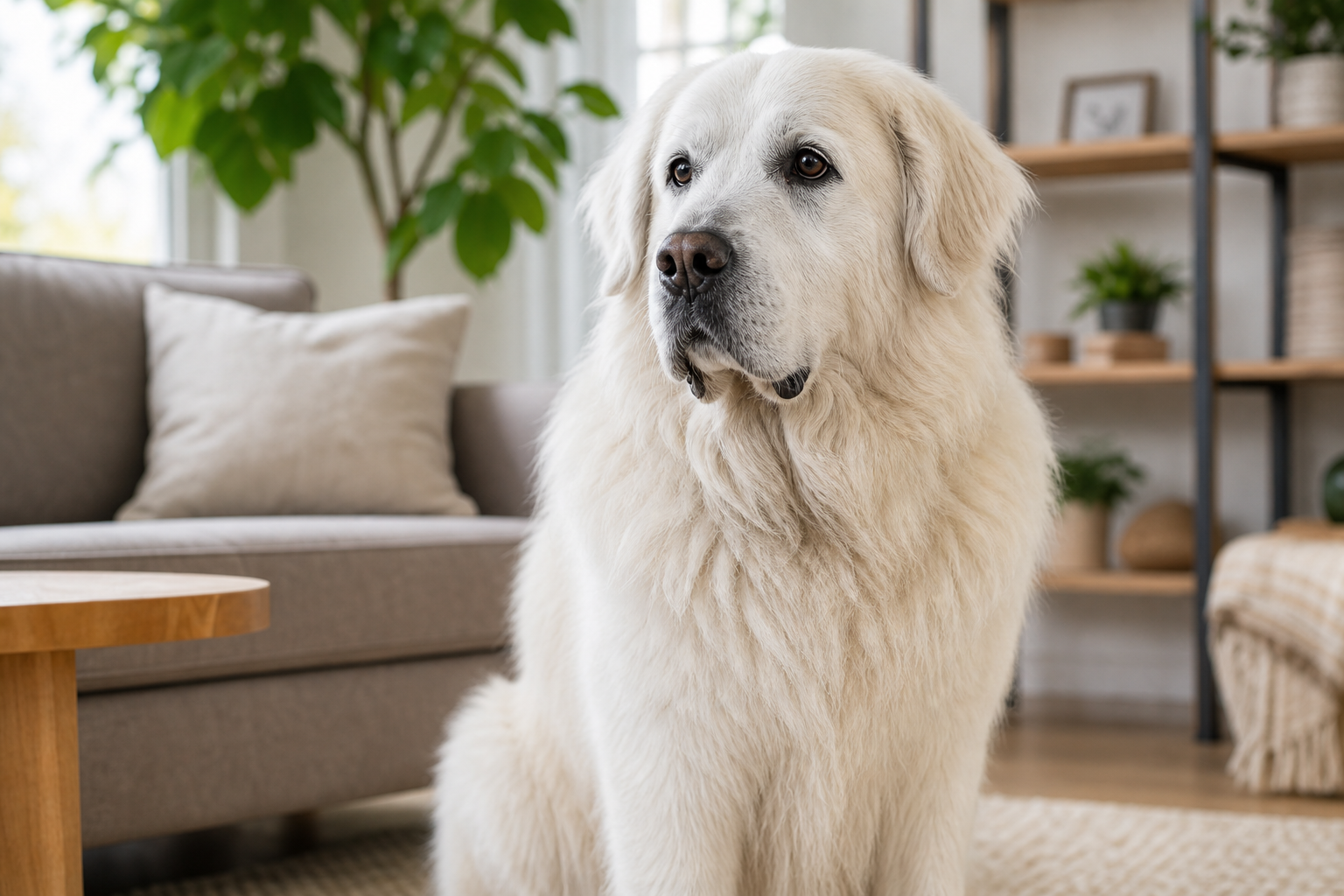
Great Pyrenees health planning matters on a breed built for mountain guard work and heavy coats. Joint limps bloat signs and hidden lumps can start in midlife—not only at the end. Moreover many Pyrs mask pain until hips or belly issues turn urgent. This guide is for info only. However collapse pale gums or a hard painful belly need an ER vet now.
For example a six-year-old Pyr may lag on walks when hip pain builds—not stubbornness. Therefore this Great Pyrenees health guide lists what to watch in 2026. It also covers prevention and when to call your clinic.
First book yearly exams. Read our hip dysplasia guide for joint signs on heavy frames. After that study our bloat guide when deep chests meet big meals.
Additionally learn ER cues from our emergency signs guide when minutes matter on giant breeds.
Furthermore the AKC Great Pyrenees breed page lists health risks vets screen on these dogs each year.
Why Great Pyrenees health needs breed-aware care
Disclosure: This post has affiliate links. Grey Snout Guide may earn a small fee when you buy through our links. You pay nothing extra.
Great Pyrenees are large white guardians with thick double coats and deep chests. However that build raises bloat joint and heat stress. In addition heavy fur hides lumps and hot spots until owners brush deep to the skin.
Similarly lean weight helps joints on 100 lb frames. Weekly coat checks help you spot masses and skin flares early. However home care never replaces blood work and imaging. Your vet still needs hip cancer and bloat talks each year.
As a result you catch small shifts before a limp or belly swell becomes a crisis.
Common Great Pyrenees health issues owners see most
Quick map by body system
Generally joint disease and bloat top many clinic lists for Pyrs. Bone cancer and eye issues follow in adult years. Skin and thyroid problems appear in some lines too.
High-frequency issues:
- Hip and elbow dysplasia with stiffness after rest
- Patellar luxation and front-leg lameness in some dogs
- Bloat and gastric torsion in deep-chest adults after meals
- Osteosarcoma and other bone cancers in midlife to senior years
- Entropion cataracts and progressive retinal atrophy in some lines
- Hypothyroidism hot spots and heat stress under thick coats
Consequently one dog may face two issues at once. For example sore hips plus a new shoulder lump on the same visit.
Joint and mobility Great Pyrenees health
Hips knees and heavy build
Generally hip dysplasia is common in Great Pyrenees. Also patellar luxation adds knee pain in some dogs. For instance slow stands after naps are a clue. Reluctance on stairs is another on heavy adults.
Therefore see our hip dysplasia guide for signs and ramps. Similarly use our bed stairs guide when stiff giants need lower climb paths. Also our joint balm guide covers spot comfort only with vet OK.
Home support:
- Keep adults lean—every extra pound multiplies joint stress
- Use ramps for cars and porches when your vet approves
- Choose short low-impact walks on grass over long pavement loops
- Ask about pain plans after blood work—not random supplement stacks
Digestive Great Pyrenees health concerns
Bloat risk on deep chests
Moreover Pyr deep chests carry bloat risk. Therefore review our bloat guide in full. Rest after meals matters. Learn signs like dry heaving with no vomit and a tight swollen belly.
However repeat vomiting needs a same-day vet check. Blood in vomit needs the same.
Bloat prevention habits:
- Split meals into two or three smaller feeds per day
- No hard play or stairs for one hour after eating
- Keep water available but limit huge gulps right after meals
- Ask your vet about preventive gastropexy for high-risk dogs
Cancer and Great Pyrenees health
Bone cancer lumps and lethargy
Generally osteosarcoma appears on vet charts for large heavy breeds. For example limping on one leg with swelling at the site needs urgent X-rays. Other cancers also occur in some Pyr lines.
Therefore weight loss needs a same-day vet visit. Pale gums or a firm painful limb need the same. Meanwhile weekly brush sessions down to the skin are lump maps. Note size and how fast a mass grows under white fur.
Also talk to your vet about screening plans when your dog reaches midlife. Early imaging beats wait-and-see on bone pain in giants.
Eye skin and thyroid Great Pyrenees health
Vision coat and metabolism
Generally entropion cataracts and PRA affect some Pyrenees lines. Cloudy eyes or constant pawing need an eye vet. Also hypothyroidism can drive weight gain coat dullness and skin flares.
Therefore our home grooming guide helps you spot hot spots and mats early. Similarly avoid hot midday hikes when thick coats trap heat. Provide shade cool water and AC rest in summer waves.
Also our hot spot spray guide helps moist skin zones per vet OK when flares appear under heavy fur.
Prevention plan for your Great Pyrenees
Vet habits that pay off
First choose a large-breed puppy food and steady growth rates. Switch to adult food only when your vet says so. Also keep puppies lean—skip roly-poly pups for photos.
Prevention checklist:
- Yearly blood work and thyroid checks after age four
- Hip and patella screening per breeder or rescue paperwork
- Bloat and cancer talks at every wellness visit
- Parasite control year-round in tick areas
- Insurance or savings for orthopedic and oncology emergencies
Therefore pair prevention with calm handling. Use our positive reinforcement guide so vet visits stay calm on giant white dogs.
Daily home care for your Great Pyrenees
Weight coat checks and rest
First weigh monthly on the same scale. Also adjust food when ribs get hard to feel under the coat. Moreover brush weekly to the skin to find lumps hot spots and mats.
However never wrestle hard right after meals. Therefore rest on a mat for one hour post-feed helps bloat risk on deep chests.
In addition read our senior care guide when grey-muzzle Pyrs need shorter walks and softer beds.
Red flags: call your vet or ER now
Do not wait on these signs
Generally a lame leg that will not bear weight needs an ER vet. Also go now for a swollen belly with retching. Sudden collapse or gray gums need emergency care too.
Same-day vet signs:
- Blood in stool vomit or urine
- Facial swelling after vaccines or new treats
- Heat stroke on summer walks with heavy panting
- Fast-growing lump or limb swelling with pain
- Eye that turns cloudy red or stays shut
FAQs on Great Pyrenees health
How long do Great Pyrenees usually live?
Generally ten to twelve years. Moreover some reach thirteen with good genetics lean weight and early vet care. However joint and cancer risks still need steady clinic plans.
Are Great Pyrenees prone to bloat?
Generally yes due to deep chest build. Therefore meal splits rest after eating and gastropexy talks with your vet matter on wellness visits.
Puppies and seniors
How much exercise for a Pyr puppy?
First ask your vet when growth plates close. Also short play on grass beats long hill climbs before clearance.
Why does my Pyr pant so much in summer?
Instead thick white coats trap heat. Offer shade AC breaks and walk at dawn or dusk when temps spike.
Final recap: Great Pyrenees health step by step
First know the breed risks. Watch joints bloat cancer and coat signs. Also run lean meals and yearly labs. Do weekly skin-level brush checks. Moreover treat limps as urgent until X-rays clear them. Similarly use ramps insurance and calm vet training. However when bloat signs or collapse appear go to ER. Therefore steady Great Pyrenees health planning makes every mountain year count.
Therefore book a wellness visit this month. Also brush your Pyr to the skin tonight. If you found a new lump at last groom—call your vet now.
Disclosure: This post has affiliate links. Grey Snout Guide may earn a small fee. You pay nothing extra.
I relish, cause I found just what I used to be taking a look for. You’ve ended my 4 day long hunt! God Bless you man. Have a nice day. Bye